How to Turn Drone Equipment and Certification into a Service Business
Assess Your Current Setup
Before you can build a service business, you need a clear picture of what you already have. Your drone, camera, batteries, and any additional sensors are the tools of the trade. But the real asset is your FAA certification. That Part 107 certificate is what makes you a legitimate operator in the eyes of clients. Without it, you cannot offer paid services. With it, you can begin to think about how to package your skills.
Start by listing your equipment and its capabilities. Can your drone carry a high-resolution camera for detailed inspections? Does it have thermal imaging for energy audits or search and rescue? Knowing your gear's limits helps you decide which services to offer first. A drone that struggles in wind might not be ideal for large-area mapping, but it could be perfect for close-up roof inspections.
Define Your Service Offerings
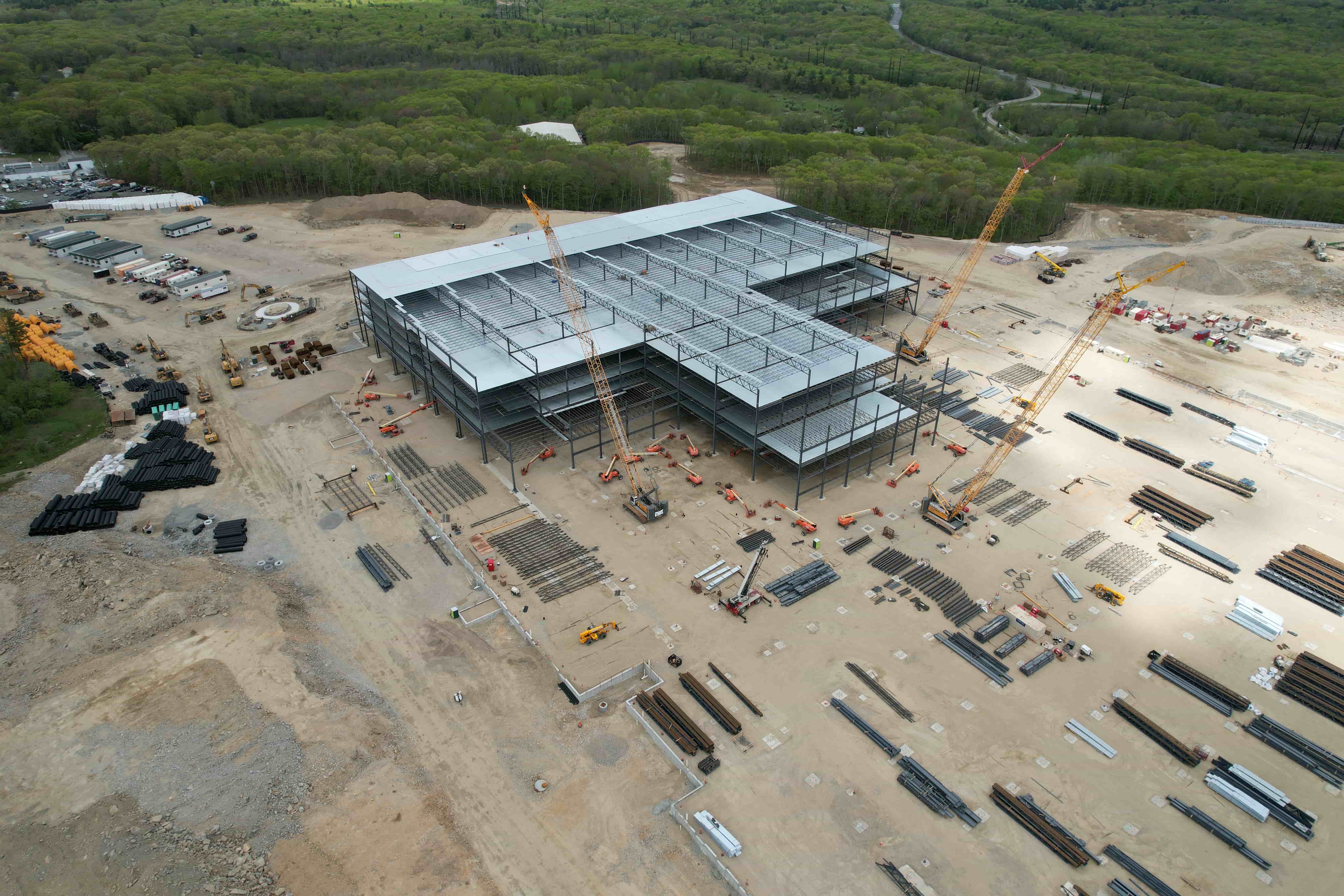
Once you know what your equipment can do, match it to client needs. Common services include aerial photography and videography for real estate, construction site progress monitoring, agricultural crop health analysis, and infrastructure inspection. Each service has its own workflow and deliverable requirements.
You do not need to offer everything at once. Pick one or two services that align with your gear and your interests. If you enjoy flying over farmland, focus on agricultural services. If you prefer urban environments, real estate and construction might be a better fit. The key is to become known for a specific type of work before expanding.
Understand the Data Workflow
Capturing images is only half the job. Clients hire you for the data you collect and the insights you provide. That means you need a reliable data workflow. After a flight, you will have hundreds of photos or hours of video. How do you turn that into a usable deliverable?
For many services, you will need to process images into orthomosaics, 3D models, or point clouds. This requires software that can stitch images together and correct for distortion. Some drone platforms offer built-in processing tools, but you may also use third-party applications. Decide early whether you will process data yourself or rely on a drone data platform to handle the heavy lifting. A good platform can automate parts of the workflow, saving you time and ensuring consistent results.
When you use a drone data platform, you can upload raw data and receive processed outputs like maps, models, and reports. This changes your role from a data collector to a service provider who delivers actionable information. Clients appreciate receiving a polished report rather than a memory card full of files.
Set Pricing and Package Your Services
Pricing is one of the hardest parts of starting a service business. You need to cover your costs, equipment maintenance, insurance, software subscriptions, and your own time, while remaining competitive. Research what other drone service providers charge in your area. Prices vary widely depending on the type of work and the local market.
A common approach is to offer tiered packages. A basic package might include a single flight and a set number of high-resolution images. A premium package could include multiple flights, processed data, and a client reporting dashboard. This lets clients choose the level of detail they need. Avoid overcomplicating your pricing at the start. A simple rate card with three options is often enough.
Build Your Client Base
Your next step is finding clients. Start with your existing network. Let friends, family, and professional contacts know you are offering drone services. Attend local business events and trade shows where your target clients gather. Real estate agents, construction managers, farmers, and facility managers are all potential customers.
You can also join a drone pilot network. Being part of a drone pilot network connects you with other operators and sometimes with job leads. It can also provide access to shared resources, like a drone data platform, that reduce your overhead. These networks often have forums where you can ask questions and learn from experienced pilots. They are a good way to find subcontract work while you build your own client list.
Manage Your Projects and Deliverables
Once you land a job, you need a system for managing it. This includes scheduling flights, processing data, and delivering the final product. A project management tool can help you keep track of deadlines and client communications. For data handling, a drone data platform offers project hosting and visualization features. You can store all the files for a project in one place and share a secure link with your client.
Client reporting is a critical part of the deliverable. A report should clearly present the findings from the data. For an inspection job, that might mean highlighting areas of concern with annotated images. For a mapping job, it could be a downloadable map with measurements. The better your report, the more likely the client will hire you again or refer you to others.
Handle Legal and Insurance Requirements
Your Part 107 certification covers the basics, but you may need additional permissions for certain flights. For example, flying over people or at night requires a waiver from the FAA. Check the current regulations and apply for any waivers you might need for your intended services.
Insurance is another must-have. General liability insurance protects you if you damage property or injure someone during a flight. Some clients will require proof of insurance before they let you on site. Shop around for policies that cover drone operations specifically. The cost is usually reasonable compared to the risk of an uninsured incident.
Create an Account Setup Process
When a new client comes on board, you need a smooth account setup process. This should include a contract that outlines the scope of work, deliverables, timeline, and payment terms. Some drone data platforms allow you to create client accounts where they can log in and view their projects. This adds a professional touch and makes it easy for clients to access their data whenever they need it.
Your account setup should also capture any special requirements the client has. For instance, a construction company might want weekly updates at a specific resolution. Documenting these details upfront prevents misunderstandings later.

Continuously Improve Your Skills and Equipment
The drone industry evolves quickly. New sensors, software, and regulations appear regularly. Set aside time each month to learn about updates that affect your services. Online courses, webinars, and industry publications can keep you informed. Investing in a new camera or a more advanced drone might open up higher-value services like thermal inspection or LiDAR mapping.
Being part of a drone pilot network can again help here. Fellow pilots often share tips on equipment and techniques. They can also give feedback on your deliverables, helping you improve. The network becomes a resource for professional growth as well as for finding work.
Deliver Consistent Quality
Your reputation depends on every flight and every report. Develop a checklist for pre-flight and post-flight procedures to ensure you never miss a step. Check weather conditions, battery levels, and airspace restrictions before launching. After the flight, verify that you have captured all the required data before leaving the site.
Consistency also means using the same data workflow for every project. When clients see that your deliverables always meet the same standard, they trust you with larger jobs. Over time, that trust builds into a steady stream of referrals and repeat business.